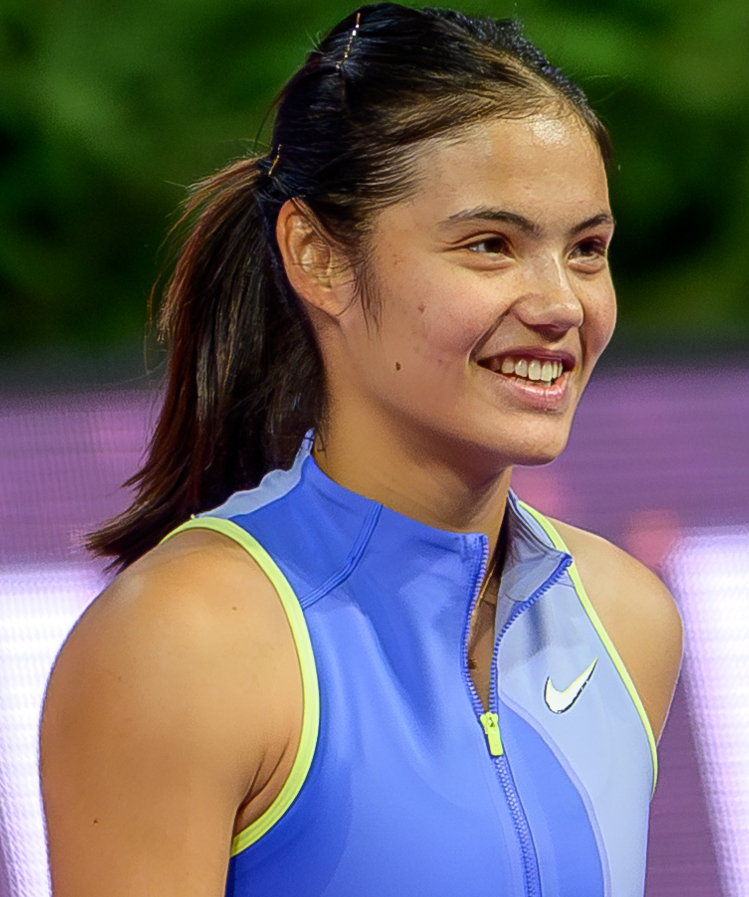
Emma Raducanu's Playing Style Reboot: US Open Aggression
Emma Raducanu, the prodigious talent who stunned the tennis world by winning the 2021 US Open as an 18-year-old qualifier, is once again at a pivotal juncture in her career. Far from the unknown quantity she once was, Raducanu is embarking on a deliberate and profound "reboot" of her game, explicitly aiming to recapture the aggressive, free-hitting raducanu playing style that propelled her to major glory. This journey, mixing cherished elements of her past with the evolving realities of professional tennis, highlights the complexities of maintaining authenticity under the intense spotlight of expectation.
Since her fairytale triumph in New York, the path has been anything but smooth. A series of injuries, coaching changes, and the sheer weight of being a Grand Slam champion have presented significant hurdles. Raducanu herself admits to a period where she wasn't enjoying her game, struggling with a style that didn't feel natural. Her current mission is clear: to get back to playing aggressively, hitting the ball hard and to the corners, a strategy synonymous with her breakout performance.
The Quest for Lost Aggression: Rediscovering the US Open Blueprint
The core of Emma Raducanu's current endeavor is a conscious effort to peel back layers of recent adjustments and return to the fundamental tenets of her 2021 US Open success. "At the start of the year, I wasn’t feeling too good about my game, and I was playing in a way I didn’t necessarily enjoy," she openly shared. This dissatisfaction led to a crucial decision: to actively seek a return to a more aggressive raducanu playing style. This isn't merely about hitting harder; it's about re-engaging with a mindset and tactical approach that allowed her to dictate points and overwhelm opponents.
A significant factor in this reboot was the conclusion of her partnership with coach Francisco Roig after the Australian Open. The split, stemming from a disagreement over her raducanu playing style, particularly concerning an elongated forehand swing she felt didn't align with her instincts, underscored her determination to control her on-court identity. Raducanu expressed a clear desire to revert to her teenage game, characterized by "hitting the ball to the corners and hard." This isn't a nostalgic whim; it's a strategic choice to leverage the strengths that proved so devastatingly effective.
To facilitate this shift, Raducanu has informally brought back former coach Mark Petchey, whose insights during this exploratory phase are invaluable. Petchey's involvement signals a leaning towards familiarity and a focus on reinforcing the foundational elements of her natural game. The goal is to strip away complexities and enable a more instinctual, free-flowing, and assertive raducanu playing style. This involves not just technical adjustments but a psychological reset, allowing her to trust her raw power and precision once more.
The Evolution of a Champion: Pressure vs. Freedom in Raducanu's Game
The journey to rediscover her aggressive raducanu playing style is undeniably complicated by her status as a Grand Slam champion. The 18-year-old qualifier who played with unburdened freedom is now a 23-year-old world No. 24, carrying the immense weight of expectation that accompanies any major winner. This dichotomy between the "innocence of just coming straight on and playing free" and the subsequent scrutiny poses a unique challenge.
Raducanu herself acknowledges this, reflecting that "it maybe is harder as you get older to kind of do the same things." The glory she achieved, paradoxically, made it harder to reproduce that very raducanu playing style. Opponents study her more intensely, and the internal pressure to perform at a Grand Slam-winning level can stifle the spontaneity essential for aggressive tennis. Players often find that what worked in their breakout year needs to evolve, but Raducanu's current focus is on reconnecting with the core tenets of that initial success.
Navigating this landscape requires not just technical skill but profound mental fortitude. The challenge lies in recreating that sense of freedom and fearlessness while being fully aware of the stakes. It's about finding a balance where her aggressive instincts can flourish without being overshadowed by the desire to meet external benchmarks. For more on how champions grapple with this, consider reading our analysis on Raducanu's Game: The Pressure of Reproducing Her US Open Style.
Technical Nuances and Tactical Shifts: Deconstructing Raducanu's Aggression
When discussing Emma Raducanu's aggressive raducanu playing style, it's essential to look beyond mere power. Her US Open triumph was built on a sophisticated blend of elements: an explosive serve, fearless return of serve, precise groundstrokes aimed at angles, and an unwavering commitment to stepping into the court. Her desire to return to "hitting the ball to the corners and hard" points to a tactical blueprint focused on dictating rallies from the first ball.
- Forehand Refinement: The mention of her elongated forehand swing being a point of contention with her previous coach highlights a key technical adjustment. A simpler, more compact swing can lead to greater consistency, earlier contact, and increased pace, which are all crucial for an aggressive game.
- Court Positioning: To play aggressively, Raducanu needs to reclaim a proactive court position, taking the ball early and denying opponents time. This requires excellent footwork and anticipation, areas where injuries have previously hampered her.
- Serve as a Weapon: An aggressive raducanu playing style relies heavily on a strong first serve to gain an immediate advantage, either through aces or by setting up easily attackable returns.
- Return of Serve: Her fearless return of serve was a hallmark of her US Open run, allowing her to put immediate pressure on opponents and break serve frequently.
Executing such a demanding raducanu playing style consistently also depends on peak physical condition. Her history of long-term and persistent injuries has undoubtedly impacted her ability to train and compete at the intensity required for this aggressive approach. A robust fitness regimen will be fundamental to sustaining her desired game over entire tournaments and seasons.
The Coaching Conundrum: Finding the Right Guidance for Raducanu's Vision
Emma Raducanu's journey has been marked by a revolving door of coaches, a pattern not uncommon for young players trying to find their footing but certainly amplified by her sudden rise to fame. Her decision to part ways with Francisco Roig, partly due to differences over her raducanu playing style, underscores her conviction about how she wants to play the game. She remains open to a full-time coach but with a crucial caveat: they must not dictate her natural way of playing.
This approach highlights a nuanced understanding of player development. For a player with Raducanu's innate talent and strong instincts, the ideal coach might be more of a facilitator – someone who can refine her existing strengths, provide tactical insights, and offer consistent support without trying to fundamentally alter her core raducanu playing style. The scrutiny that any coach working with her faces also adds another layer of complexity to the selection process.
Her current strategy of "tapping into a few people" for advice, including Mark Petchey, allows her to gather diverse perspectives while maintaining ultimate control over her game's direction. This period of informal collaboration can be incredibly beneficial for a player like Raducanu, enabling her to re-establish her confidence and internalize her desired game without the immediate pressure of a formal, long-term coaching commitment. To delve deeper into this aspect, read our article on Raducanu's Style Search: Why She Demands Free-Hitting Tennis.
Looking Ahead: The Path to Consistent Aggression
The path to consistently executing her desired raducanu playing style is not a sprint, but a marathon. Her journey since the Australian Open, including reaching the final of the Transylvania Open in Cluj, Romania (her first final since the 2021 US Open), offers glimpses of progress, even if that particular final ended in a one-sided loss. These experiences, though sometimes frustrating, are crucial for testing her renewed approach under match pressure.
The "reboot" requires patience, perseverance, and a firm belief in her chosen direction. For Raducanu, this isn't just about winning matches; it's about reconnecting with the joy and effectiveness of her authentic raducanu playing style. As she accumulates more matches and training blocks dedicated to this aggressive blueprint, we can expect to see increased consistency in her shot-making, tactical execution, and overall match rhythm.
Achieving sustained aggression will be a powerful signal of her mental resilience and physical readiness. It will mean she is confidently stepping into the court, taking calculated risks, and playing the kind of tennis that made her a household name. The success of this reboot will be measured not just in titles, but in the visible return of that fearless, dominant Emma Raducanu on court.
Emma Raducanu's pursuit of her US Open aggressive raducanu playing style is one of the most compelling narratives in women's tennis. It's a testament to her self-awareness and determination to forge a career path that aligns with her fundamental strengths and instincts. Navigating the unique pressures of post-Slam success, while simultaneously battling injuries and evolving her game, is a monumental task. Yet, her clear vision for a free-hitting, hard-hitting, corner-targeting game offers an exciting prospect for fans and a definitive direction for her future on the WTA Tour. Her journey back to consistent aggression promises to be both challenging and ultimately, defining for her legacy.